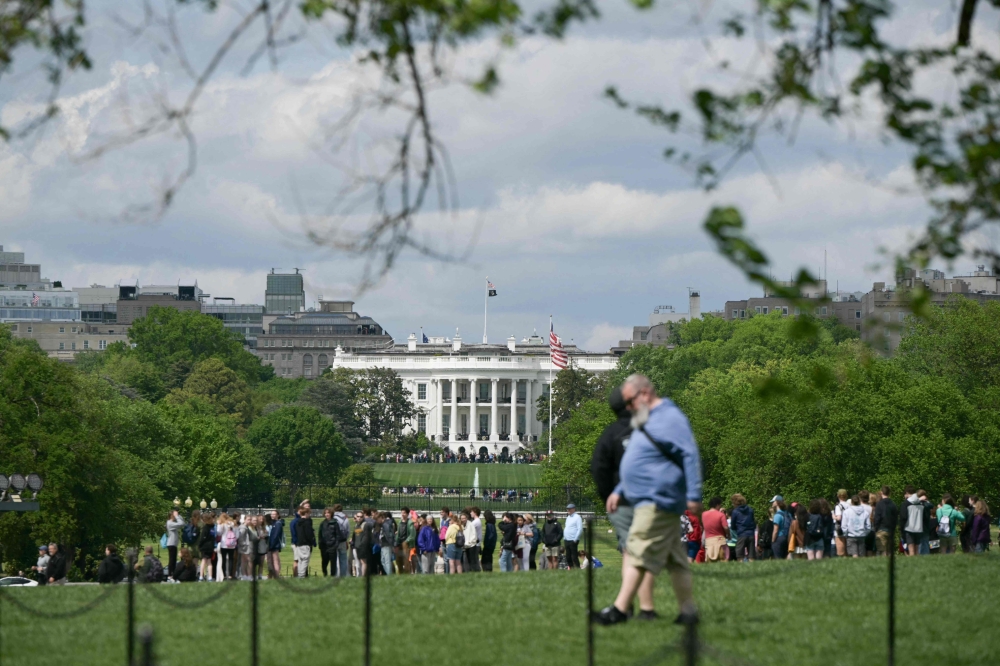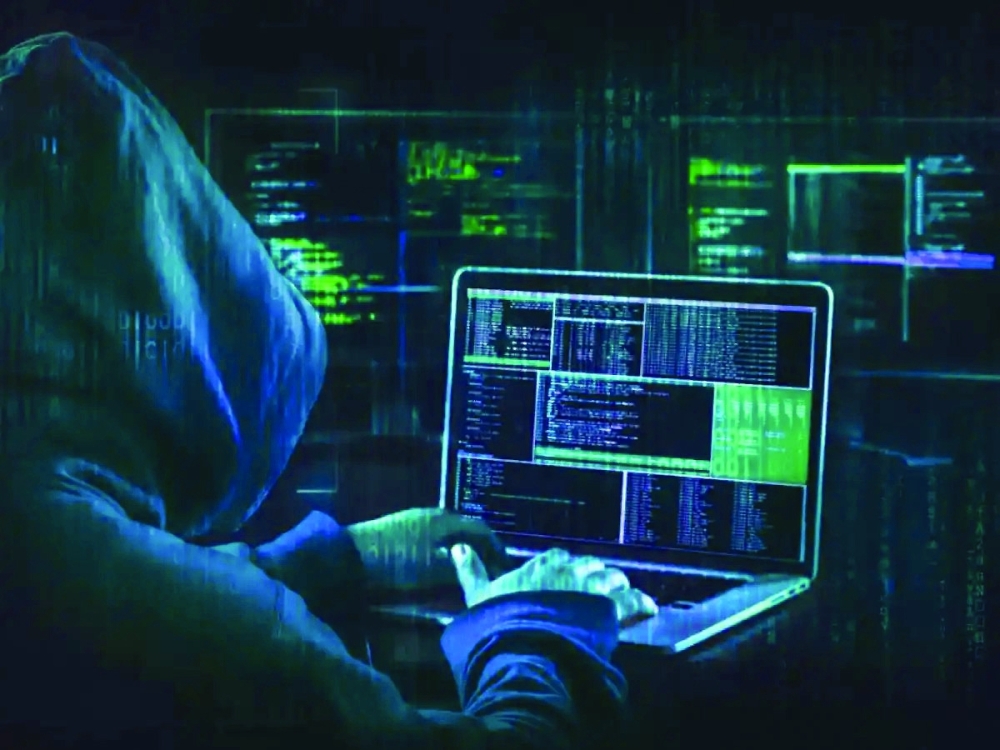





SAN FRANCISCO: The United States will allow private companies to hack foreign cybercriminal groups, a seemingly unprecedented measure that is dividing experts who say it has potential to succeed or spiral out of control.
President Donald Trump signed a memorandum that directed the departments of Justice and Homeland Security to allow certain US companies to spy on and attack transnational criminal organisations.
The White House justified the approach by citing the damage caused by ransomware and online fraud, which it said cost Americans more than $20 billion in 2025.
The memorandum calls for authorising private partners to take down hackers' servers or to infiltrate their machines with spyware.
Each operation will require prior government approval and companies will have to post a bond of at least $1 million.
Any action that could cause death or injury is excluded, as is anything that would meet the threshold of "use of force" under international law.
The effort has parallels with 18th century "privateering", when governments would authorise private ships or sailors to carry out raids on enemy vessels.
"The private sector holds the data. The public sector holds the authorities", and the new memorandum "puts them together", Ari Redbord said.
A former federal prosecutor, Redbord is now head of policy and government affairs at TRM Labs, an analytics firm that works with US authorities.
He embraces the historical comparison to maritime privateering.
"Privateering broke down because there was no way to watch a ship once it left port", Redbord said. "We live in a very different world than 1812...Oversight that used to end at the dock now runs alongside the operation from start to finish."
Other experts are not convinced.
"You can hand out a commission. You can't hand out obedience", University of Surrey cybersecurity professor Alan Woodward said.
"History's verdict on privateering wasn't that it was immoral. It was that it became more trouble than it was worth", he continued.
The effort marks a reversal for the White House, after a senior US official indicated in March it was "not interested in fighting pirates with pirates", according to The Record news site.
National Cyber Director Sean Cairncross also previously ruled out using the private sector for such efforts, according to another site called CyberScoop.
It's unclear what prompted this U-turn in the span of five months.
However, the program appears to have some guardrails, Jason Healey, a Columbia University researcher and former cybersecurity official under President George W Bush, said.
Oman Observer is now on the WhatsApp channel. Click here